
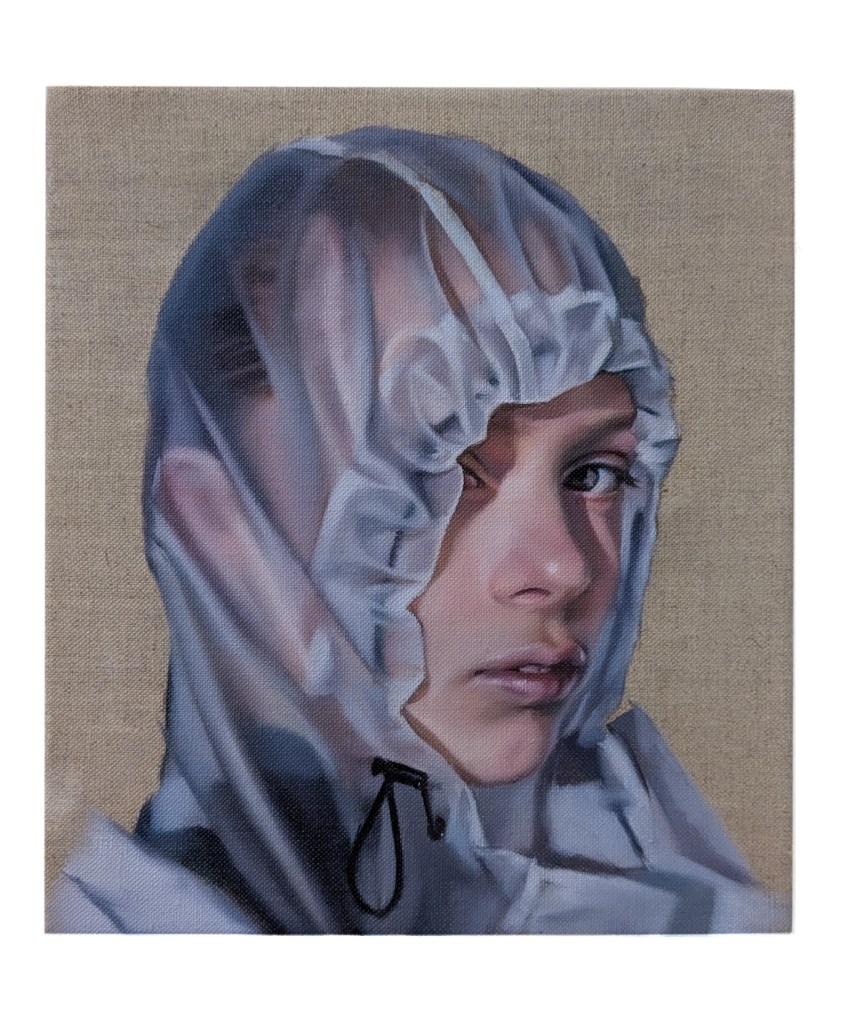
2025 Softshell solo exhibition, The Blue Verve, 26.6 – 13.7
I have at times compared my subject, another person, to a distant star in the sky, immensity of which is incomprehensible. But at this time I am trying to approach my subject with a magnifying glass instead of a telescope. Luckily through the magnifying nature of our being, we are easily able to recognise hidden depth and sense what is large in what is small.
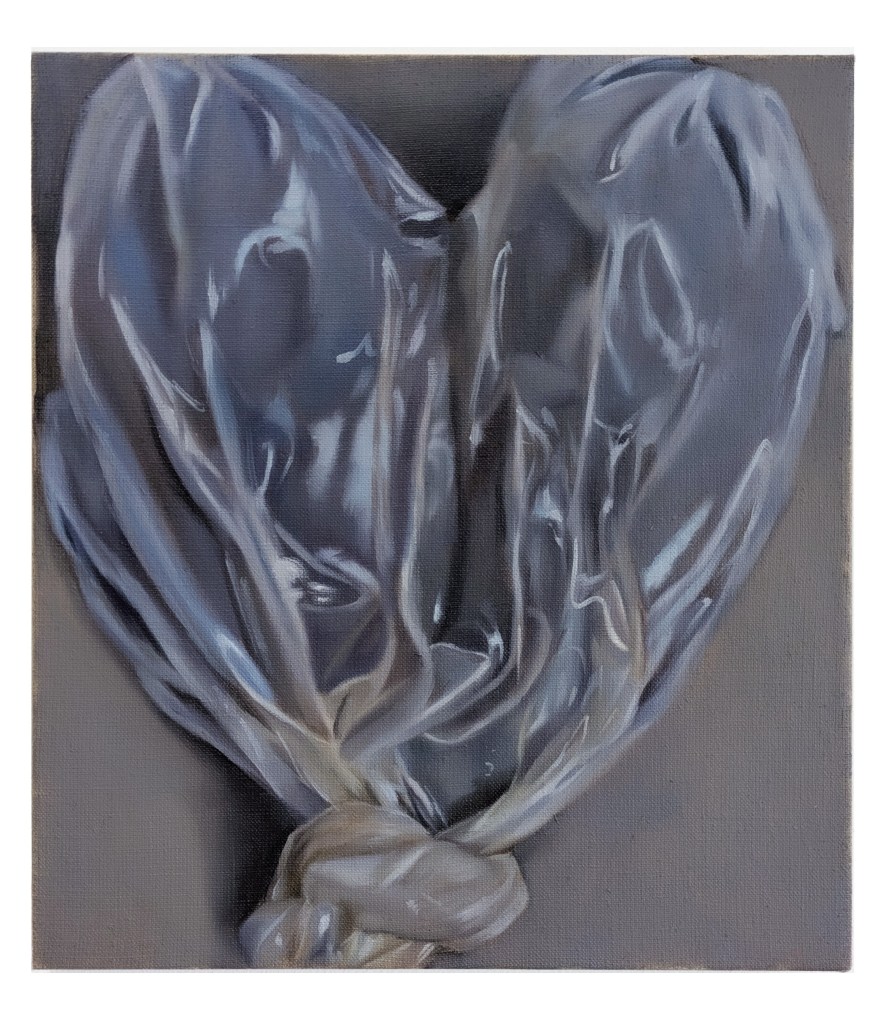
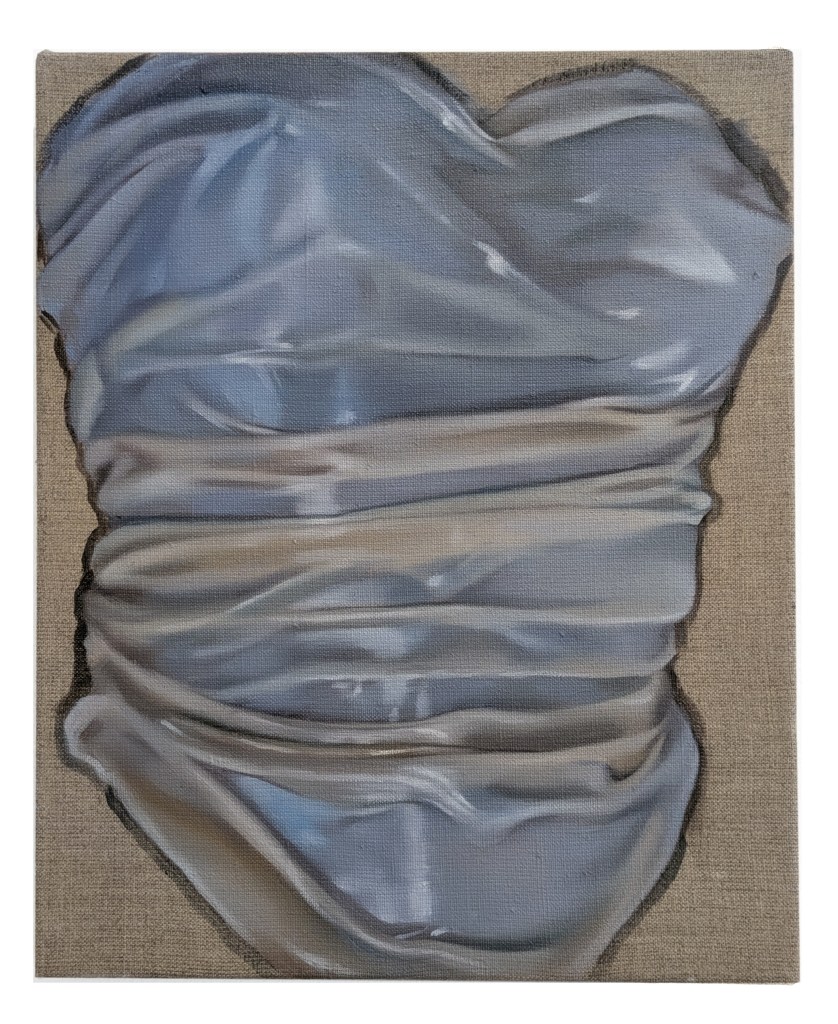
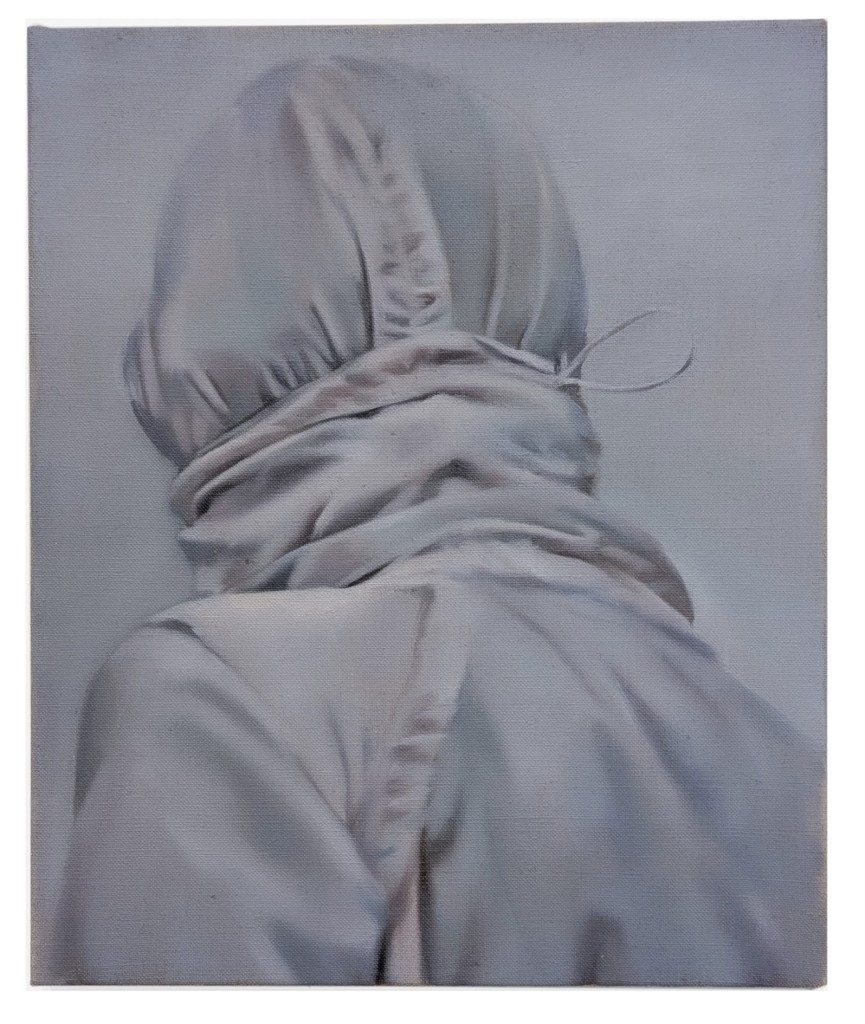
Shells evoke dreams of protected space. Every shell, if not inhabited, is haunted. In nature, the inhabitants of shells range from weak, clammy creatures to armored ones whose limbs have even turned into weapons. Either way, most of us do not find these creatures endearing. That is of course bad news for the creature that wishes to emerge from its shell.
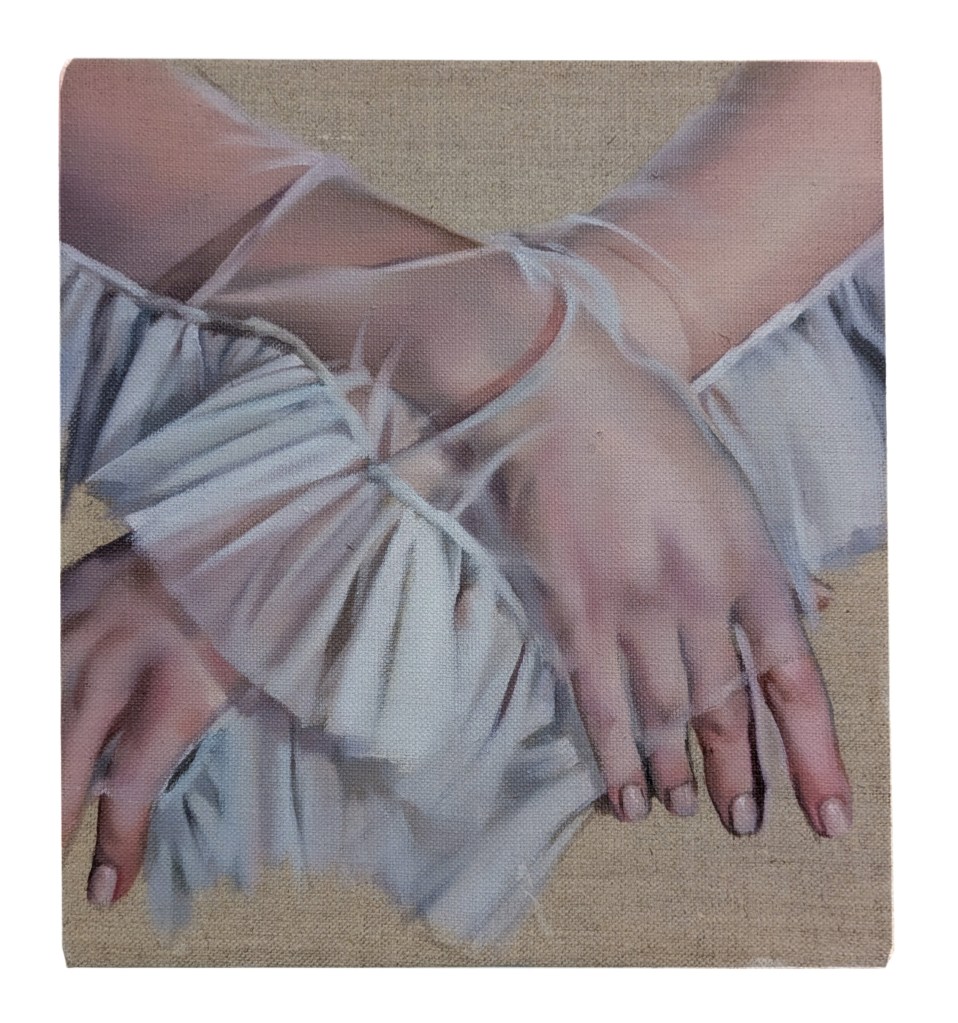
The shell is a refuge for the ugliest and most unlovable form of oneself. But I am not only advocating for shell life here. The shell is not merely a tomb, its inhabitant must emerge sooner or later. According to Bachelard they are in fact “preparing for temporal explosions, not to say whirlwinds, of being”. He adds: “Wolves in shells are crueler than stray ones”. I am trying to find a way to coax a gentler emergence though; there is a Finnish saying about handling someone with silk gloves. I’ll give you another take on the emergence, by Jurgis Baltrušaitis, who wrote in his study of medieval images of various animals emerging from shells: “Aphrodite was born in these conditions”.
A painting is much like a shell in the sense that its beautiful surface contains an embarrassing explosion of being from the artist. I have to make paintings about things that are so personal, intimate, gross and awkward, and then hang them up for all to see. But herein lies the beauty of the shell: protected space, valorised space, conceals that which you do not want to share with me, but which we both know all too well. What is a conversation between shells like? Probably much like the one between a painting and its viewer, united in the dialogue of solitude.
1 Gaston Bachelard, The Poetics of Space, p. 131
2 Jurgis Baltrušaitis, Le Moyen-Âge Fantastique, p. 56
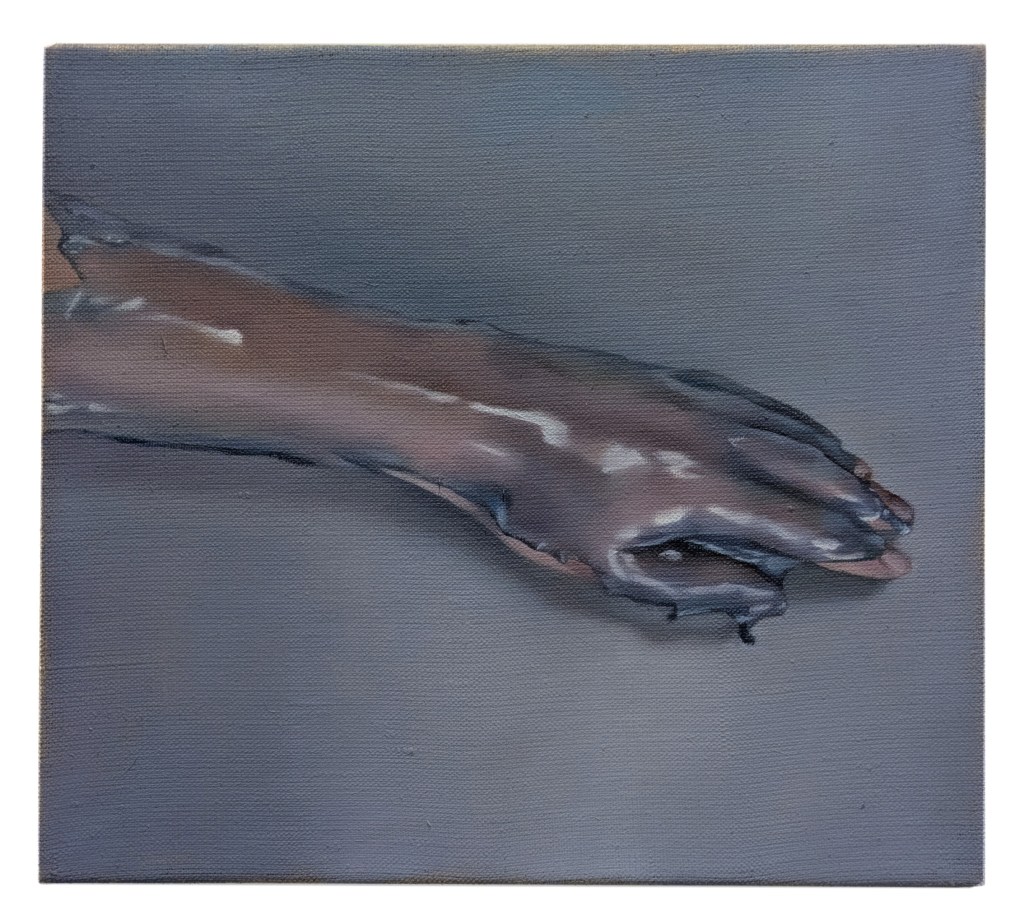
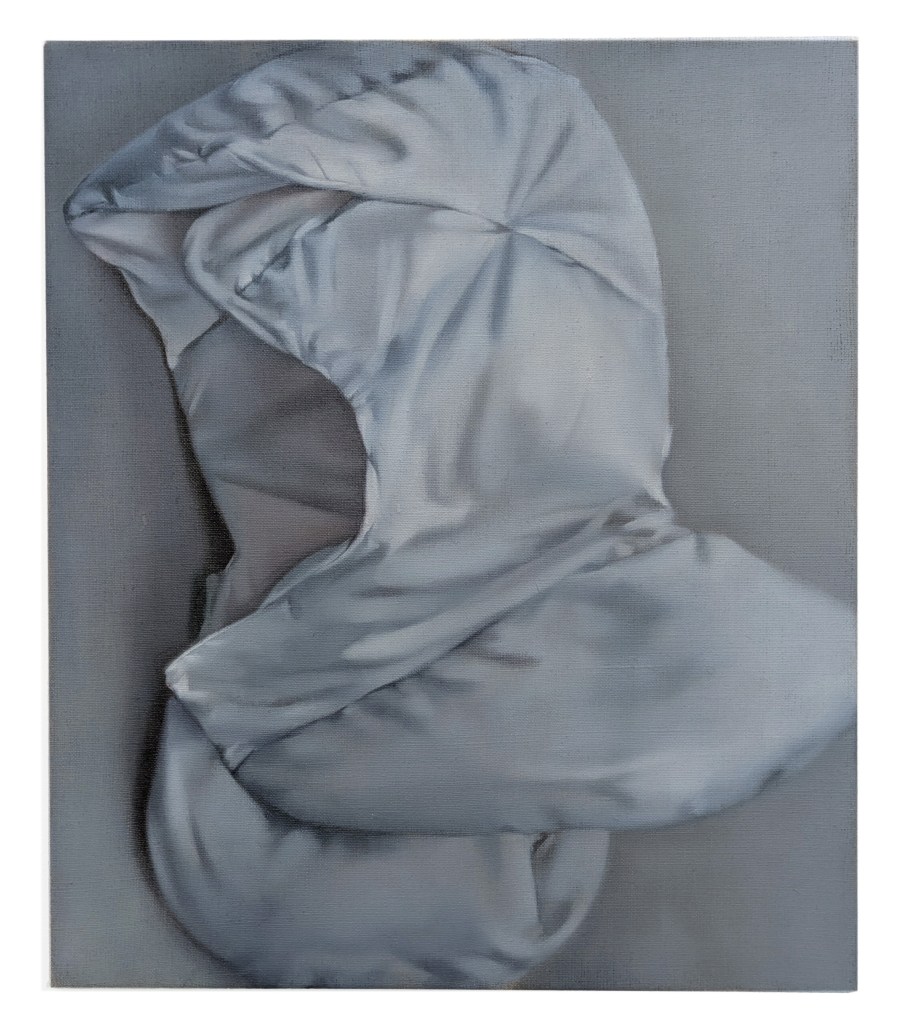
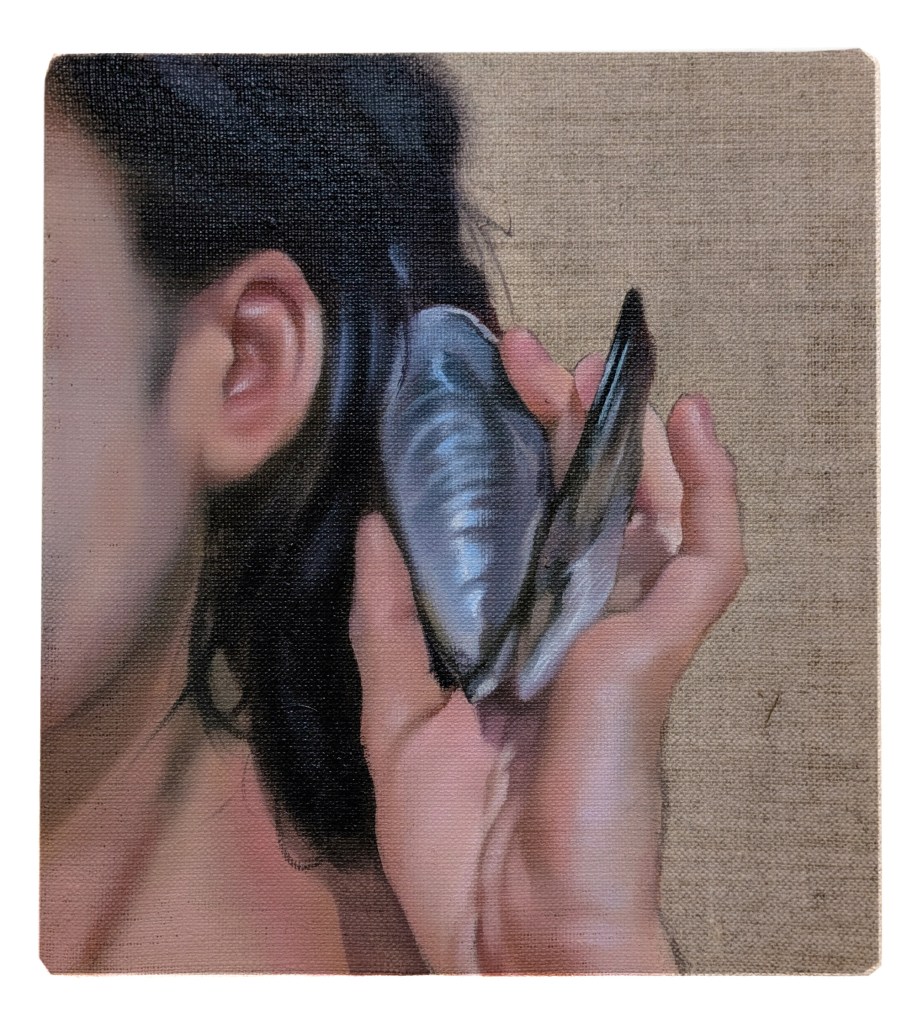
 Eeva Paavela